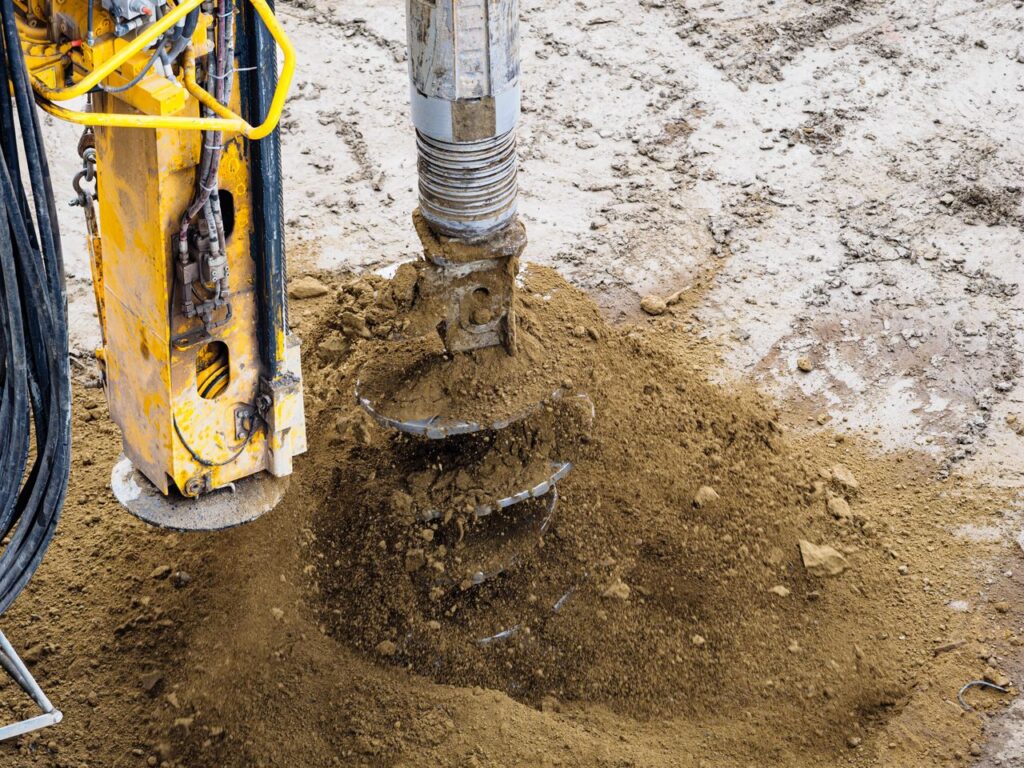
Operating a mine site in remote African regions presents unique logistical challenges. Moving heavy machinery, hazardous reagents, and high-volume drilling consumables from international manufacturing hubs to inland exploration sites requires navigating complex transit networks, fluctuating cross-border regulations, and harsh physical terrain.
When a single missing component can halt an entire operation, building a resilient supply chain strategy is as vital to project success as the geology itself.
The Anatomy of Remote Supply Chain Delays
Logistical breakdowns rarely happen in a vacuum. On site, delays are typically driven by three primary bottlenecks:
- Border Clearing & Customs Port Congestion: Documentation errors or shifting regulatory compliance requirements at land borders can stall freight containers for weeks.
- Last-Mile Infrastructure Deficits: Navigating unpaved access roads during seasonal rainy periods often turns routine site deliveries into high-risk transport operations.
- Fragmented Vendor Communication: Managing separate contracts for international sourcing, port handling, overland transit, and customs clearing leaves room for miscommunication and zero accountability.
Key Strategies for Seamless Site Logistics
To protect project timelines and keep heavy assets moving, mining operators must implement targeted supply chain frameworks designed specifically for African corridors.
1. Consolidate Procurement and Logistics
Decentralized supply chains multiply friction points. When your gear supplier is separate from your freight handler, resolving unexpected shipment delays turns into a game of finger-pointing. Working with an integrated partner who handles both equipment procurement and last-mile delivery creates single-source accountability from port to site.
2. Prioritize Pre-Clearance Compliance
Customs delays are almost always administrative. Ensuring full compliance with country-specific import certifications, duty exemptions, and structural transport permits before goods arrive at the port drastically reduces dwell times at entry points.
3. Build Adaptive Overland Transport Networks
Standard freight forwarders often struggle once asphalt roads end. Success in remote corridors requires field-proven transport assets—including specialized heavy-haul trucks and off-road utility vehicles—backed by drivers who know the local terrain and seasonal route challenges.
Secure Your Supply Line
Overcoming supply chain bottlenecks isn’t just about moving cargo; it’s about providing site managers with the peace of mind that their operational supplies will arrive intact and on schedule.
At Geo Needs Limited, we combine deep procurement networks with dedicated overland field logistics to ensure your mine site stays fully equipped, no matter how remote the location. Reach out to our supply chain team today to streamline your project’s logistics strategy.